Actual substrate
Paper, paperboard, corrugated board, label stock, or the exact treated film and printing side
Color matching service / flexo and gravure
JLJ Coating coordinates overseas inquiries and technical communication. Production, color matching, sample preparation, and technical support are handled by the production and technical teams using the actual job inputs. A drawdown or sample can guide the next decision; neither guarantees the production result.
Before matching
The same color direction can look different when the material, transfer, print structure, or evaluation method changes. Send the real job inputs first.
Paper, paperboard, corrugated board, label stock, or the exact treated film and printing side
Flexographic or gravure printing, including the relevant press configuration
Approved physical sample, target color, or the best available reference and its evaluation condition
Anilox identification and condition for flexo, or cylinder information for gravure
Normal production speed, trial speed, and any speed-related color change
Dryer zones, air movement, exhaust, cooling, and when the color is evaluated
Underlying white, overprint sequence, coating, lamination, or other layers that influence appearance
Acceptable and failed prints, with the affected area and substrate clearly identified
Trial requirement and approximate ongoing usage if known
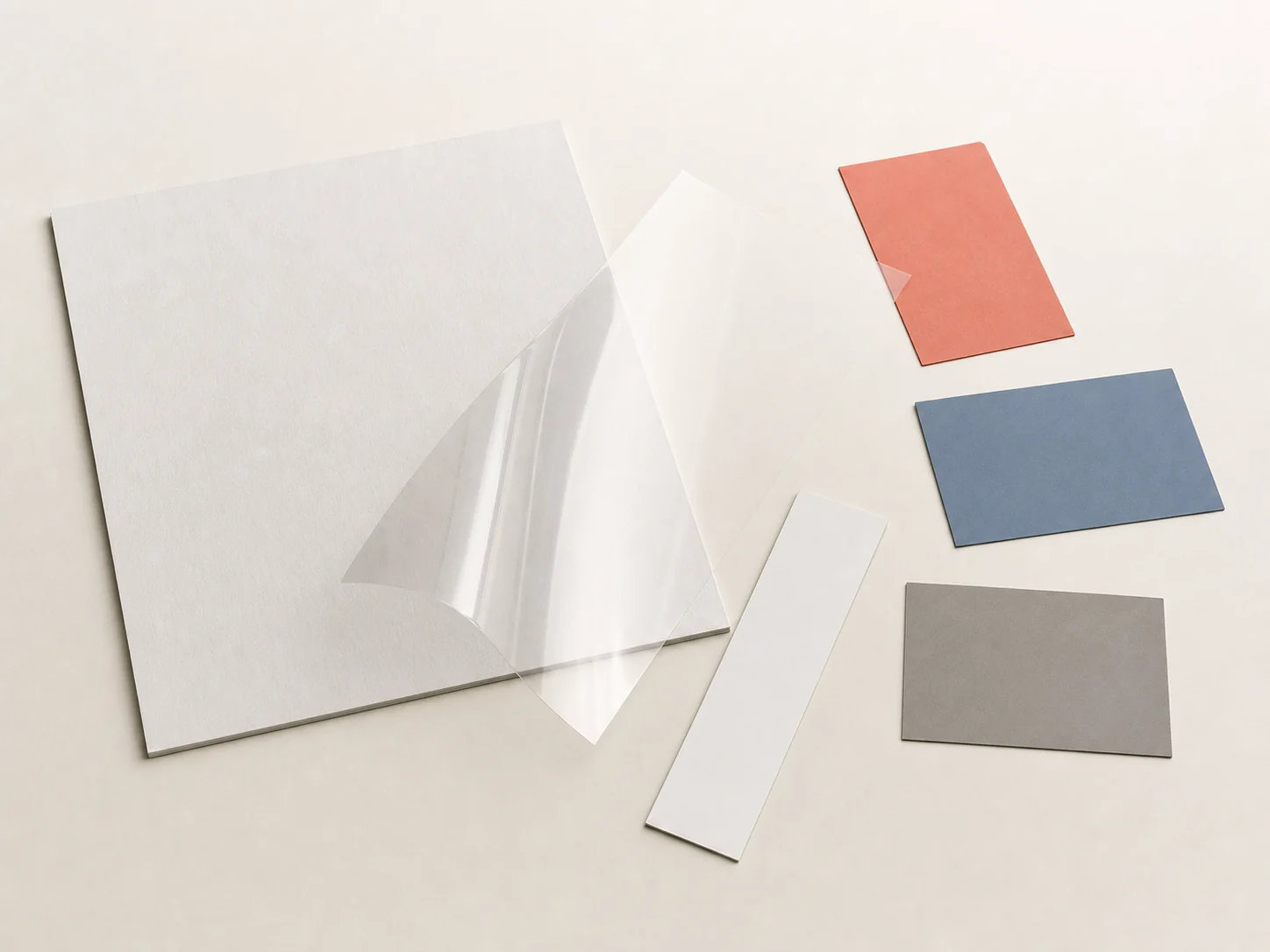
Sample stages
Not every inquiry requires or includes every stage. The applicable next step depends on the available color reference, substrate, process information, and sample feasibility. The actual substrate and production conditions ultimately determine the result.
Possible color evaluation stages
Color variables
A color difference does not identify one root cause. Hold the comparison method stable and change one informative variable at a time.
Variables to record
Process split
Both routes start from the actual substrate and target reference, but the transfer information and first trial checks differ.
Common color problems
These are investigation routes. They do not prove that the ink, press, substrate, or operator is the cause.
Separate ink strength from low transfer, a worn or blocked anilox or cylinder, substrate holdout, dilution, and drying condition.
Check the target reference, substrate or backing change, ink condition, overprint structure, transfer, and evaluation method.
Review substrate texture, wetting, transfer volume, metering, ink film, and whether the current color direction is suitable for the surface.
Compare circulation, viscosity and pH history, metering, plate or cylinder condition, pressure, speed, and dryer stability.
Treat the new material as a new comparison. Do not assume a match approved on one paper, board, or film will reproduce unchanged on another.
Related troubleshooting
Color matching becomes more reliable when transfer, drying, adhesion, and foam issues are reviewed separately.
FAQ
JLJ Coating can coordinate the overseas inquiry and technical communication. The production and technical teams can review a sample direction using the physical reference, actual substrate, printing process, transfer setup, drying condition, and trial feedback. The final production result still needs confirmation on the buyer's press and complete print structure.
No. A drawdown is a controlled comparison tool. A press adds anilox transfer and plate behavior or cylinder engraving and ink-transfer conditions, plus speed, drying, substrate handling, print sequence, and downstream variables that can change the result.
Send the actual substrate, target or approved sample, anilox information if known, press speed if known, drying setup if known, underlying white or print structure, acceptable and failed samples, current issue, estimated usage, and whether a physical sample is available.
Send the actual substrate and printing side, target reference, cylinder information if known, print structure, press speed if known, drying setup if known, acceptable and failed samples, current issue, estimated usage, and whether a physical sample is available.
No. A sample or drawdown can guide the next trial, but it cannot guarantee the result on a particular substrate, machine, speed, transfer condition, drying path, or production batch.
You can start with a target sample, current printed sample, or photos of the color issue. Include flexo or gravure, the actual substrate, target reference, anilox or cylinder if known, speed if known, drying setup if known, print structure, current color issue, usage estimate, and sample availability.